What Happens When Your Student Has a Bad Day Abroad?
How homesickness, frustration, culture shock and loneliness show up during study abroad — and why a bad day is not necessarily a bad program.
Thailand Pathways Editorial Team
Thailand Pathways Editorial Team
September 13, 2026 · Updated September 13, 2026

What Happens When Your Student Has a Bad Day Abroad?
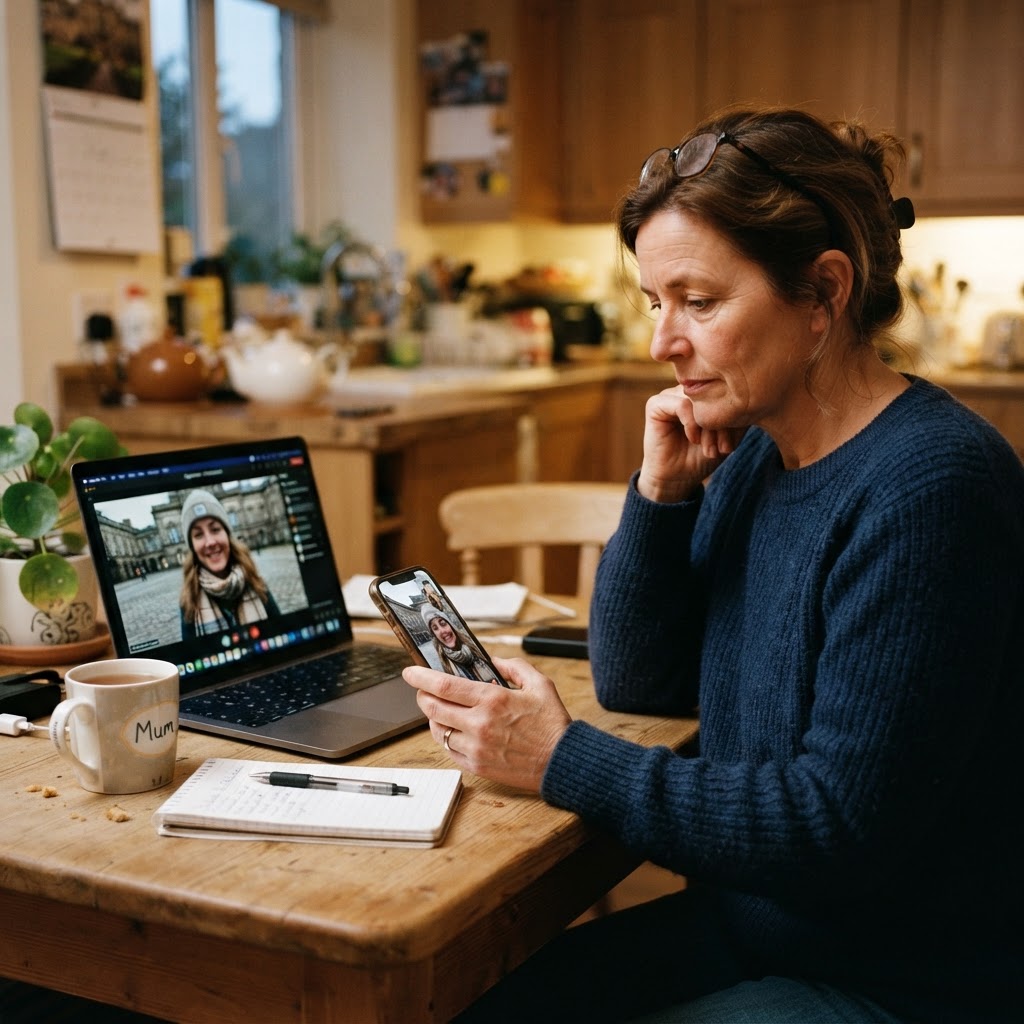
Your student calls you. They sound upset. They had a bad day. Maybe they are homesick, frustrated, lonely or exhausted. Maybe they said something like "I hate it here" or "I want to come home".
Your first instinct may be to panic. Resist that instinct.
What a Bad Day Abroad Looks Like
A bad day abroad might include:
- Homesickness — missing family, friends, food, comfort.
- Frustration — nothing seems to work, communication is hard, things are unfamiliar.
- Culture shock — the newness has worn off and the differences feel overwhelming.
- Loneliness — they have not yet built a social circle.
- Exhaustion — the heat, the language, the constant adjustment are draining.
- Academic pressure — they are behind on work or struggling with a different academic system.
- Communication difficulties — they cannot express what they need.
Why a Bad Day Is Not a Bad Program
A bad day abroad is normal. It is expected. It is part of the process.
The students who thrive abroad are not the ones who never have bad days. They are the ones who learn to navigate bad days — to reach out to friends, to take care of themselves, to put things in perspective, and to wake up the next day and try again.
This is a life skill. It is one of the most valuable things your student will gain from this experience.
How to Respond When Your Student Has a Bad Day
Do:
- Listen. Really listen. Let them vent.
- Acknowledge their feelings without minimising them.
- Remind them that bad days are normal.
- Ask what they need — someone to listen, advice, or just to hear a familiar voice.
- Encourage them to talk to someone locally — a friend, a program coordinator, a counsellor.
- Remind them of their capabilities. They have handled hard things before.
Don't:
- Panic. Your anxiety makes their anxiety worse.
- Try to fix everything from afar. You cannot, and trying makes them feel less capable.
- Tell them to "just come home" at the first sign of difficulty.
- Minimise their experience ("It's not that bad" or "Other people have it worse").
- Call the program provider immediately unless there is a genuine safety concern.
The Bigger Picture
Most bad days pass. The student who was in tears on Tuesday is often laughing with new friends by Friday. The rhythm of adjustment includes good days and bad days — and the bad days are where the growth happens.
If bad days become sustained — if your student is consistently distressed, withdrawing, or showing signs of genuine mental health concerns — that is different. That warrants attention.
But a single bad day, or even a bad week, is part of the experience.
Key Takeaway
A bad day abroad is not a failure. It is part of the process. Your role is to listen, support and trust that your student can navigate it.