Stories & Resources
Practical resources, cultural insight, and career guidance for students, parents, faculty and universities preparing for an international experience in Thailand.
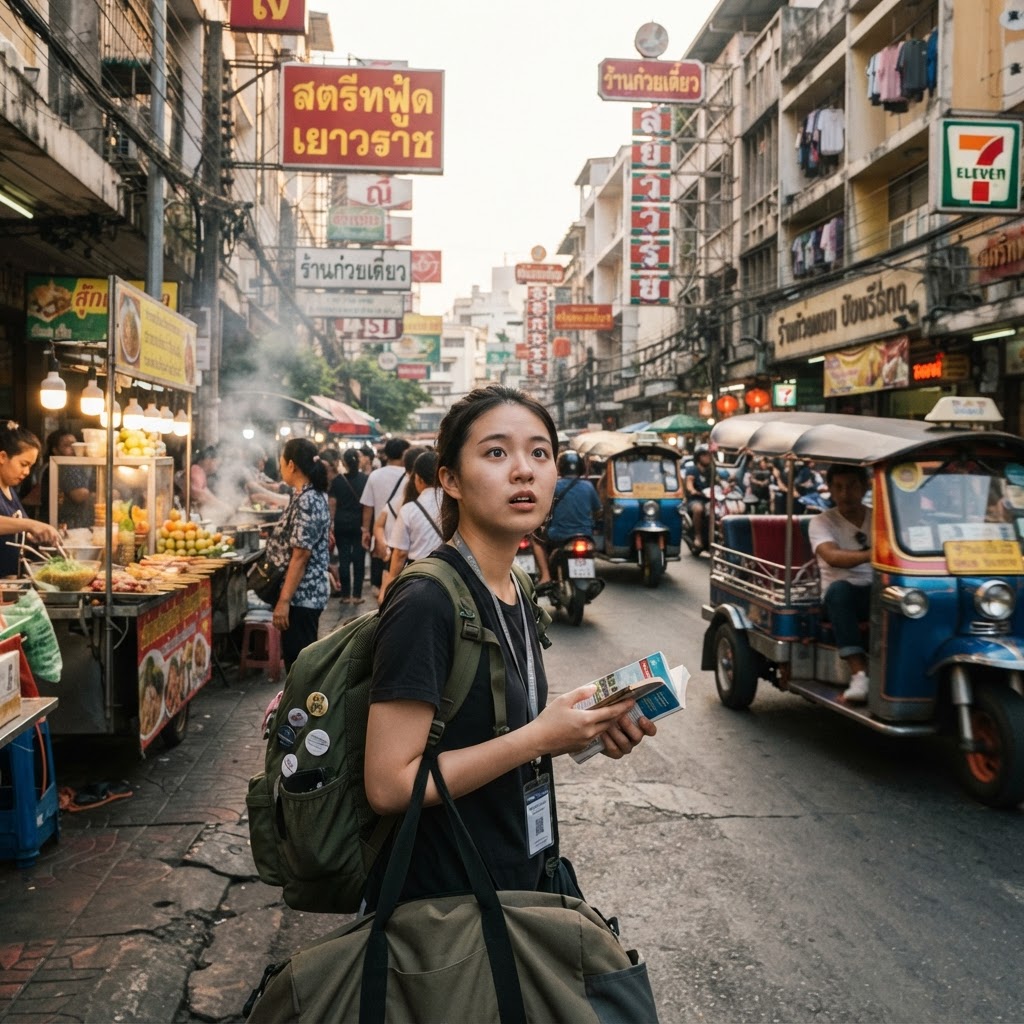
Practical realities students wish they understood before arriving — pace of life, weather, food, transport, communication, and the gap between visiting and living.
Thailand Pathways Editorial Team
Why local knowledge matters when systems work differently, communication is unfamiliar and students need help understanding situations abroad.
The psychological experience of arriving somewhere where ordinary things suddenly require more thought — sensory overload, unfamiliar routines, frustration and adaptation.
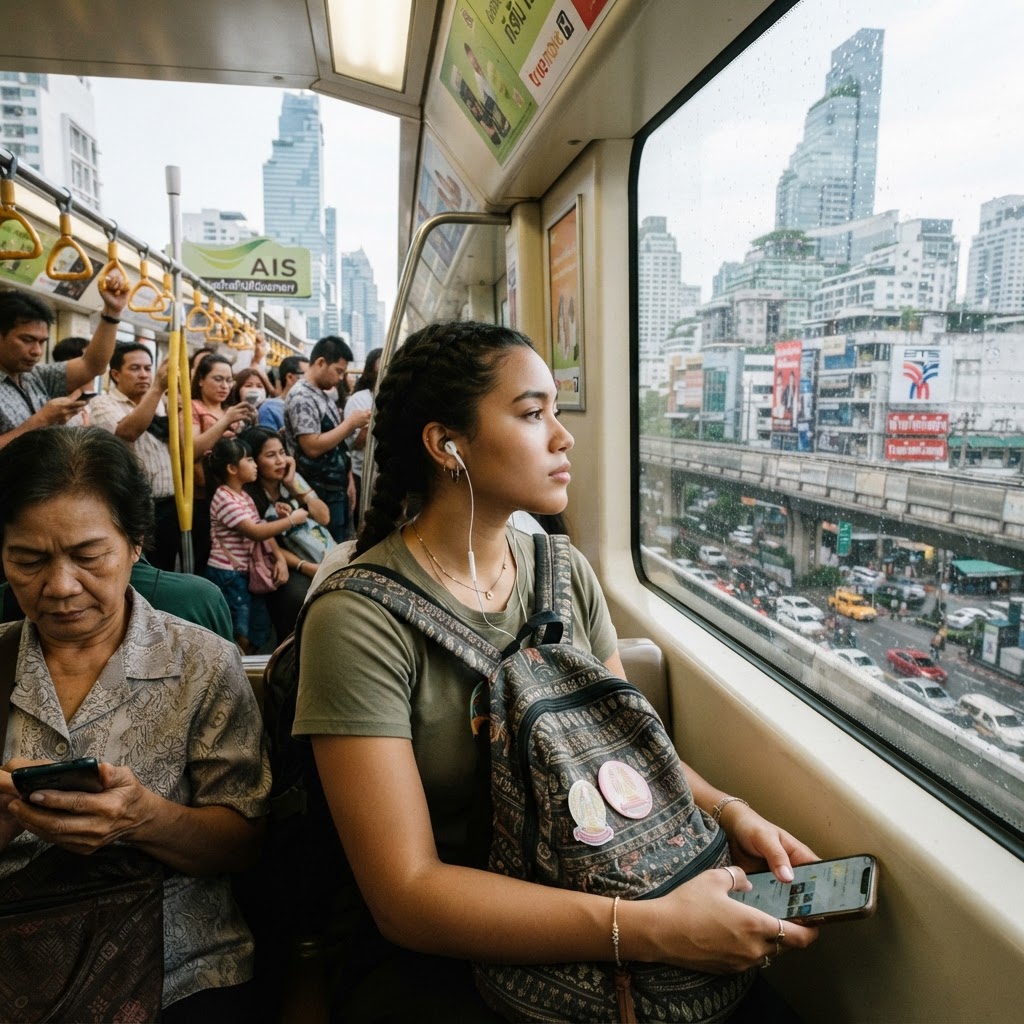
A realistic picture of ordinary student life in Thailand — morning routines, meals, commuting, studying and evenings — showing how Thailand becomes normal.
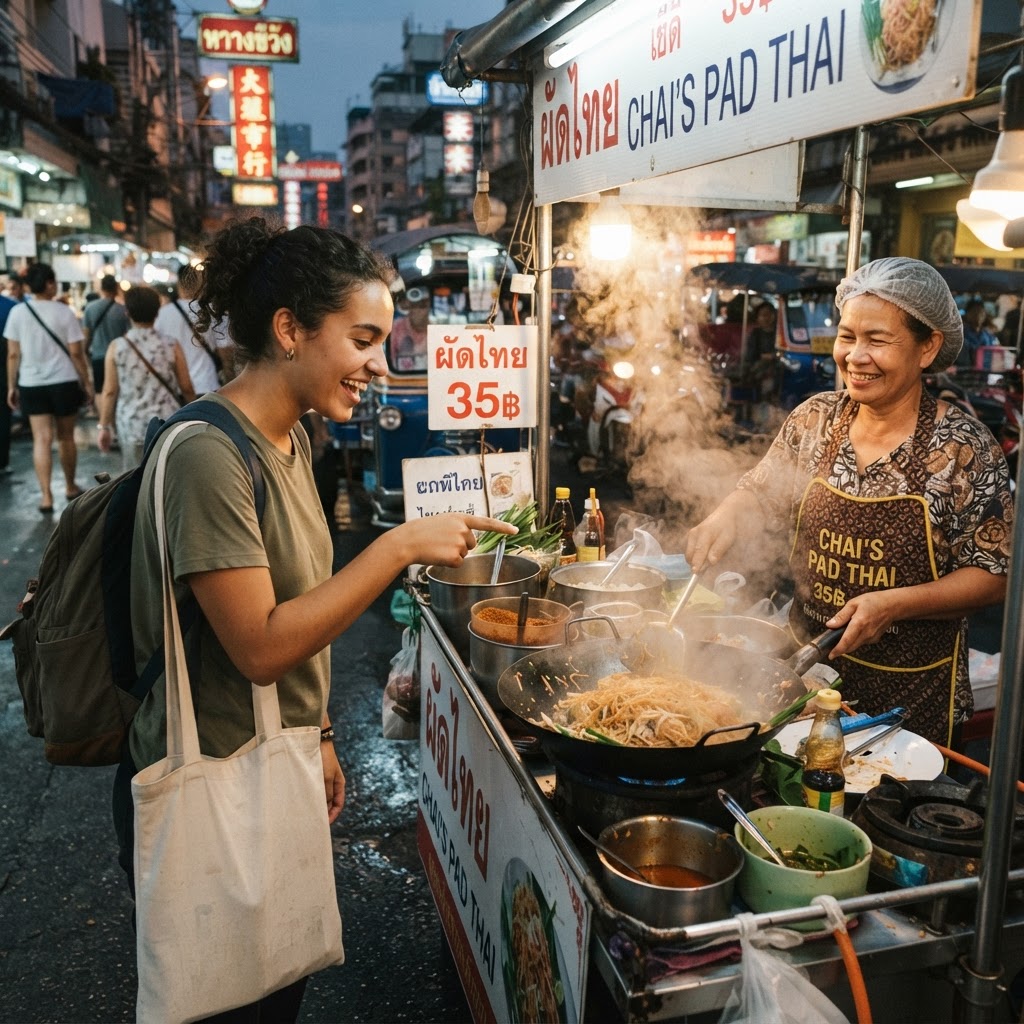
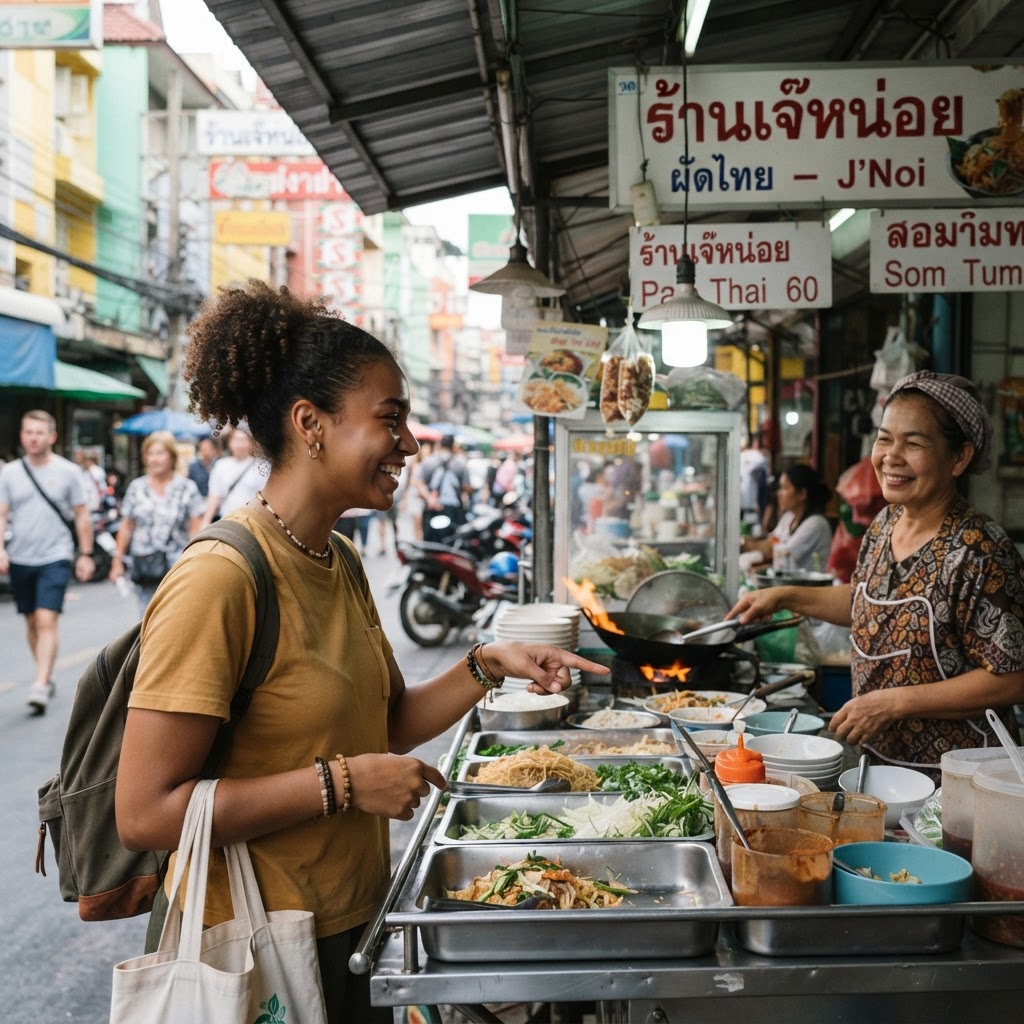
How the everyday challenges of arriving in Thailand — ordering food, transport, payment, communication — become automatic through repetition.
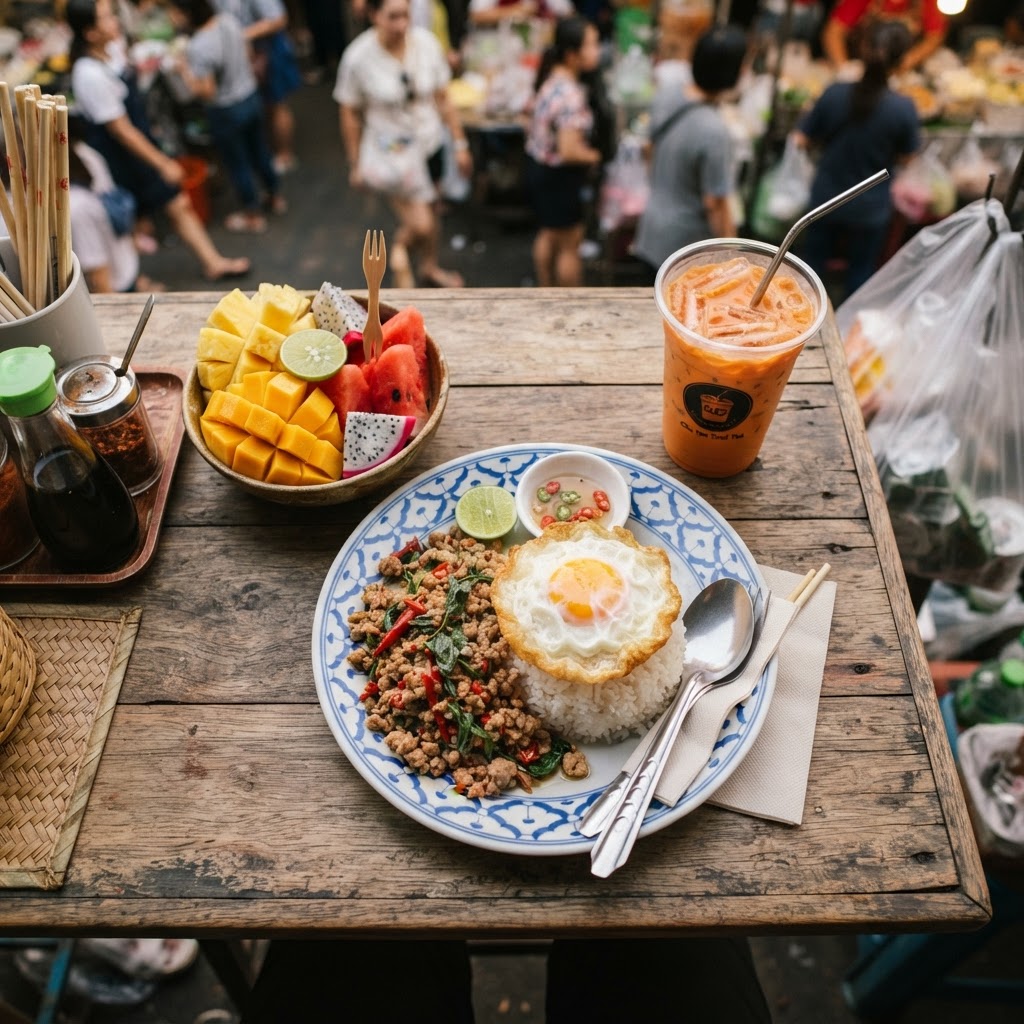
A current-price snapshot of what 200 baht can buy in Bangkok — food, drinks, transport and small activities — showing what everyday spending looks like.
Why students and families should evaluate the full financial picture — not just the headline program price — when planning an international experience.
Understanding the difference between low price, convenience, quality, support and overall experience value when choosing an international program.
Why cultural intelligence is not about memorising rules, but about observing, pausing, asking, understanding and adapting to context.
Understanding indirect communication, context, politeness, hierarchy and non-verbal cues in Thai social and professional settings.
Common misreadings — silence, smiles, indirect answers, hospitality, hierarchy, punctuality and conflict avoidance — and how to understand them differently.
Cultural humility rather than cultural performance — observe, respect, adapt and remain yourself when living and studying in Thailand.
Separating normal adjustment challenges — homesickness, frustration, confusion — from genuine safety, health and wellbeing concerns that require action.
How homesickness, frustration, culture shock and loneliness show up during study abroad — and why a bad day is not necessarily a bad program.
Most experiences go normally — but responsible planning also considers what happens when something does not go according to plan.
A flagship reflective article focusing on capability rather than memories — navigate unfamiliar environments, communicate, solve problems, adapt.
Problem solving, communication, adaptability, initiative, independence, judgement and resilience — the capabilities built through supported independence.
A practical framework — Situation, Action, Challenge, Result, Learning — for explaining international experience in job interviews.
Why going abroad does not automatically equal career value — employers care about what you did, learned and how you handled uncertainty.
Why faculty-led programs, short study experiences, field learning, short internships and micro-internship experiences can be educationally meaningful.
An institutional guide — learning purpose, preparation, student engagement, context, reflection, roles, communication and risk awareness.
The difference between experience and learning — observation, questioning, analysis, reflection and application make an experience educational.
How Thailand can become an academic context for business, sustainability, hospitality, public health, development and more — not a program catalogue.
A neutral decision-making resource — questions about preparation, accommodation, wellbeing, emergency communication, supervision and local support.
A major supported independence article — knowing when your student should solve problems alone and when they need parental or professional support.
Thailand has a well-developed healthcare system. Here is what students and interns need to know about health, safety, and emergency support.
Visa requirements for students and interns in Thailand depend on your nationality, program type, and duration. Here is what you need to know.
Understanding Thai etiquette will help you build respect and navigate social and professional situations with confidence.
Getting university approval for an international internship requires preparation. Here is how to make a strong academic case.
Bangkok and Chiang Mai offer very different experiences for students and interns. Here is how to choose the city that fits your goals.
From university financial aid to external scholarships and fundraising, here are practical ways to fund a study abroad or internship experience in Thailand.

What does a supported Thailand program actually include? From pre-departure guidance to in-country support, here is what to expect.
An internship in Thailand is individually developed, not assigned from a fixed list. Here is how the process works from inquiry to arrival.
According to our students, it only takes three days to fall in love with Thailand