How to Be a Respectful Guest Without Trying to Become Thai
Cultural humility rather than cultural performance — observe, respect, adapt and remain yourself when living and studying in Thailand.
Thailand Pathways Editorial Team
Thailand Pathways Editorial Team
September 13, 2026 · Updated September 13, 2026

How to Be a Respectful Guest Without Trying to Become Thai
There is a difference between respecting a culture and trying to become it. The first is thoughtful. The second is performance — and it usually does not work.
Observe Before You Act
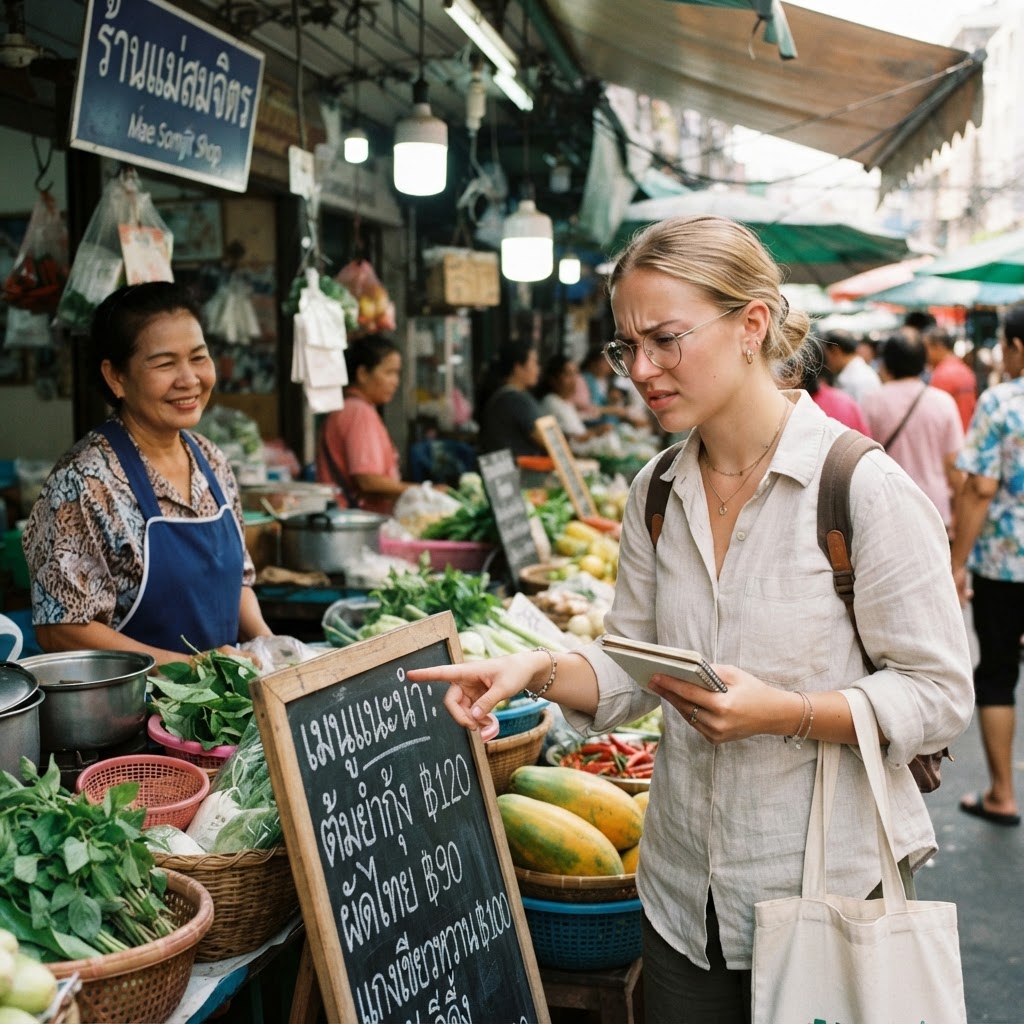
When you arrive in a new cultural context, your first instinct may be to participate. But observation comes first.
Watch how people interact. Notice what they value. Pay attention to what makes them comfortable and uncomfortable. This gives you the context you need to engage respectfully.
Respect the Context
Respect does not mean agreement. You can respect a cultural practice without adopting it yourself. What matters is that you do not dismiss it, mock it or treat it as inferior.
Examples of basic respect in Thailand:
- Remove shoes before entering a home or temple.
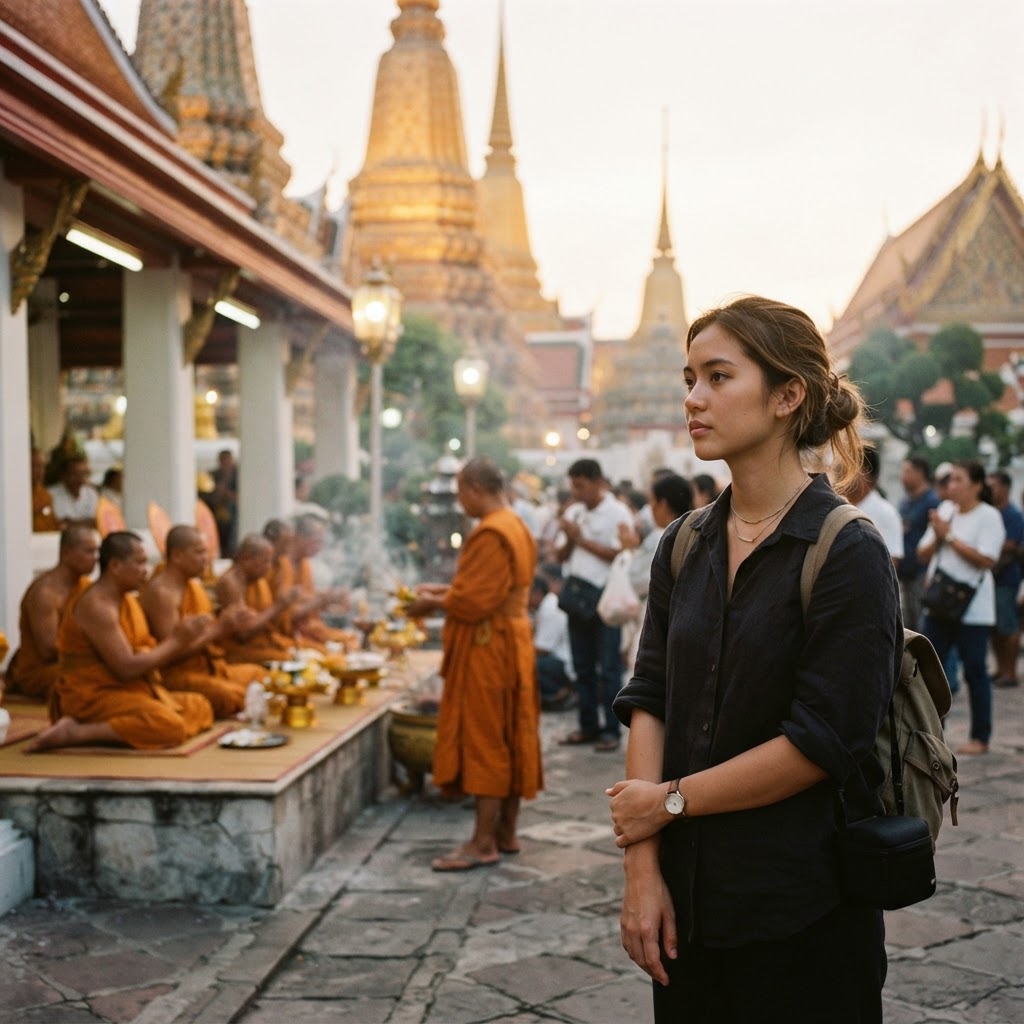
- Dress modestly at religious sites.
- Do not touch someone's head.
- Do not point your feet at people or religious objects.
- Speak calmly, especially in public.
These are not arbitrary rules. They are expressions of values — respect for sacred spaces, for the body, for social harmony.
Adapt Without Performing
There is a difference between adapting and performing.
Adapting means adjusting your behaviour to navigate the context effectively. You remove your shoes because it is the norm. You speak softly because it is appropriate.
Performing means trying to appear Thai — adopting mannerisms, speech patterns or behaviours that are not natural to you, often in a way that feels forced or inauthentic.
Thais can tell the difference. Genuine adaptation is appreciated. Performance is usually noticed and can feel uncomfortable for everyone.
Remain Yourself
You do not need to change who you are. You are a guest in Thailand, not a Thai person. That is not a limitation — it is a position.
Being a thoughtful guest means:
- Bringing your own perspective while remaining open.
- Sharing your culture without imposing it.
- Asking questions with genuine curiosity.
- Acknowledging what you do not understand.
- Being willing to make mistakes and learn from them.
Cultural Humility
Cultural humility is the practice of approaching cultural difference with openness, self-awareness and a willingness to learn. It is not about being an expert. It is about being a learner.
Key Takeaway
Be yourself — more attentively. Respect the culture without performing it. Adapt without abandoning who you are.