Health, Safety, and Emergency Support in Thailand
Thailand has a well-developed healthcare system. Here is what students and interns need to know about health, safety, and emergency support.
Thailand Pathways Team
Editorial Team · Bangkok
September 10, 2026 · Updated September 10, 2026
Thailand's Healthcare System
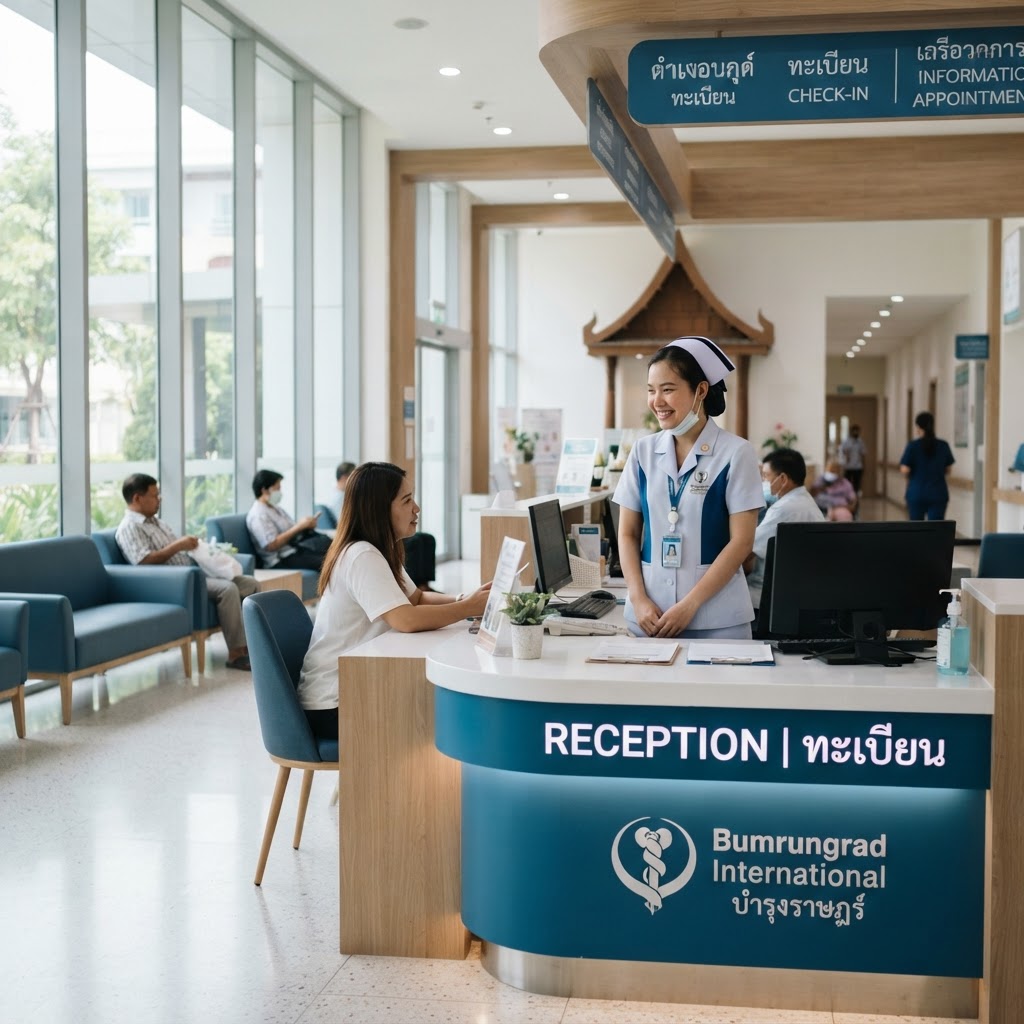
Thailand has a healthcare system that ranges from world-class private hospitals in Bangkok to smaller clinics in rural areas. Major cities have internationally accredited private hospitals with English-speaking staff, making it relatively straightforward for international students and interns to access care.
Private hospitals in Bangkok and Chiang Mai generally offer high standards of care, short wait times, and English-speaking doctors. Costs are higher than public hospitals but still significantly lower than in many Western countries.
Public hospitals are widely available and very affordable, but wait times can be long and English proficiency varies.
Travel and Health Insurance
Comprehensive travel and health insurance is essential for anyone studying or interning in Thailand. Your insurance should cover:
- Medical treatment and hospital stays
- Emergency medical evacuation
- Trip cancellation and interruption
- Lost or stolen belongings
- Emergency dental treatment
Check whether your home university's insurance covers you abroad, or whether you need a separate policy. Keep digital and printed copies of your insurance documents.
Common Health Considerations
Food and water: Tap water is generally not safe to drink. Use bottled or filtered water, which is widely available and inexpensive. Street food is a beloved part of Thai culture and is generally safe at busy stalls with high turnover.
Heat and humidity: Thailand's tropical climate means you will sweat more than usual. Stay hydrated, use sunscreen, and acclimatize gradually.
Mosquito-borne illnesses: Dengue fever is present in Thailand. Use mosquito repellent, wear long sleeves in the evening, and be aware of symptoms (high fever, severe headache, joint pain).
Safety Tips
Thailand is generally safe for students and interns, but common-sense precautions apply:
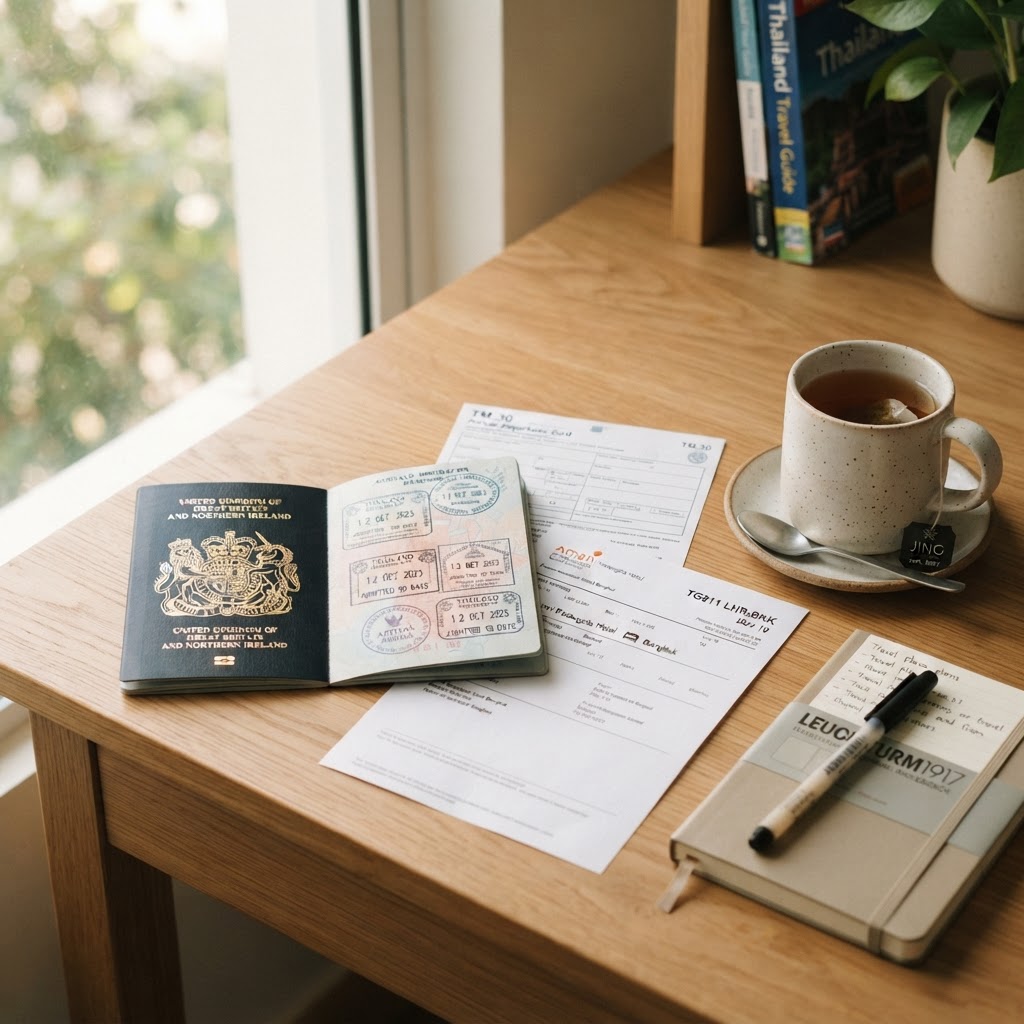
- Keep copies of your passport, visa, and insurance in a secure location
- Use ride-hailing apps (Grab, Bolt) rather than unmarked taxis
- Be cautious with valuables in crowded tourist areas
- Wear a helmet if riding a scooter or motorcycle
- Know your local emergency numbers
Emergency numbers in Thailand:
- Police: 191
- Tourist Police: 1155 (English-speaking)
- Ambulance: 1669
- Fire: 199
Emergency Support Through Your Program
A supported program should provide:
- A 24/7 emergency contact number
- Guidance on the nearest suitable hospital
- Assistance with insurance claims
- Support if you lose documents or need to contact your embassy
- A coordinator who can accompany you to medical appointments if needed
Key Takeaways
- Thailand has good healthcare, especially in major cities.
- Comprehensive travel insurance is non-negotiable.
- Take precautions against heat, mosquitoes, and food safety.
- Know the local emergency numbers.
- Your program should provide 24/7 emergency support.