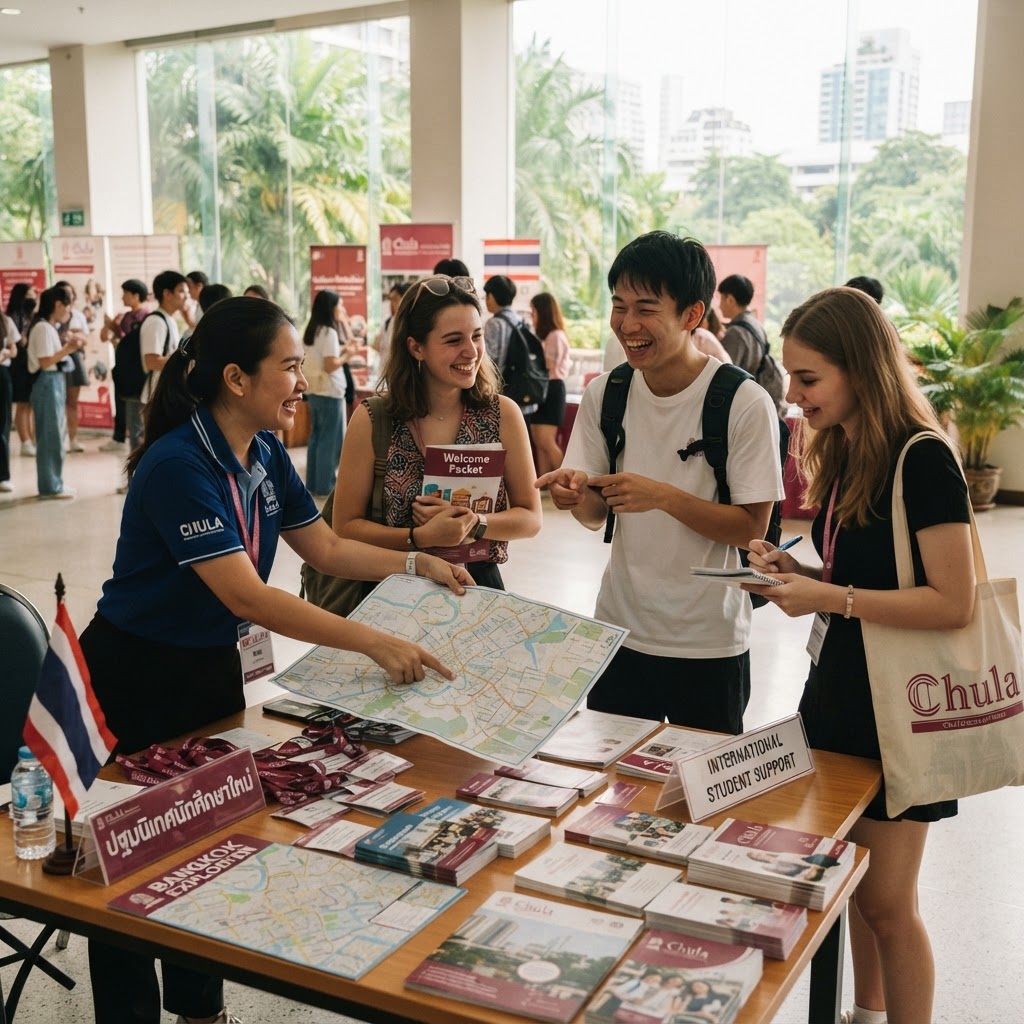
How to Fund Study Abroad or an Internship in Thailand
From university financial aid to external scholarships and fundraising, here are practical ways to fund a study abroad or internship experience in Thailand.
Thailand Pathways Team
Editorial Team · Bangkok
September 10, 2026 · Updated September 10, 2026

Start With Your University
Your home institution is often the best starting point for funding a study abroad or internship program. Many universities offer:
- Study abroad grants and scholarships — Check with your study abroad office or financial aid department.
- Transferable financial aid — Some federal and institutional aid can be applied to approved overseas programs.
- Departmental funding — Specific academic departments may have grants for experiential learning.
- Travel grants — Some universities offer stipends for international travel related to academic work.
Ask your study abroad advisor what is available and whether your existing aid package applies.
External Scholarships and Grants
Several organizations offer scholarships specifically for study abroad and international internships:
- The Gilman Scholarship (US) provides grants for undergraduate students receiving federal Pell Grants.
- The Fund for Education Abroad offers scholarships for students studying overseas.
- Some professional associations in your field of study offer grants for international experience.
- Rotary International and similar service organizations sometimes sponsor international educational programs.
Research deadlines early — many scholarship applications close six to nine months before program start dates.
Budgeting for Thailand
Thailand is one of the more affordable destinations for study abroad and internships. Typical monthly living costs include:
| Expense | Estimated Monthly Cost (USD) | |---|---| | Accommodation | $300–$600 | | Food | $200–$400 | | Transportation | $50–$100 | | Personal expenses | $100–$200 |
Program fees typically cover placement development, housing, orientation, and in-country support. Factor in additional costs for flights, visa fees, travel insurance, and personal travel.
Fundraising Ideas
If scholarships and savings are not enough, consider:
- Crowdfunding through platforms designed for educational travel
- Reaching out to local community organizations and chambers of commerce
- Offering tutoring, language exchange, or freelance services to save ahead of your trip
- Applying for micro-grants from travel or education-focused organizations
Having the Conversation With Family
If family members are contributing to your program costs, prepare before you talk:
- Bring a clear budget breakdown including program fees, flights, and estimated living costs.
- Explain what is included in the program (housing, support, placement).
- Discuss the academic and career value of the experience.
- Agree on a payment timeline that works for everyone.
Key Takeaways
- Start with your university — existing financial aid and grants are often transferable.
- Research external scholarships at least six to nine months before your program.
- Thailand is affordable compared to many study abroad destinations.
- Prepare a clear budget before discussing costs with family.