The Skills You Build When Nobody Can Solve the Problem for You
Problem solving, communication, adaptability, initiative, independence, judgement and resilience — the capabilities built through supported independence.
Thailand Pathways Editorial Team
Thailand Pathways Editorial Team
September 13, 2026 · Updated September 13, 2026
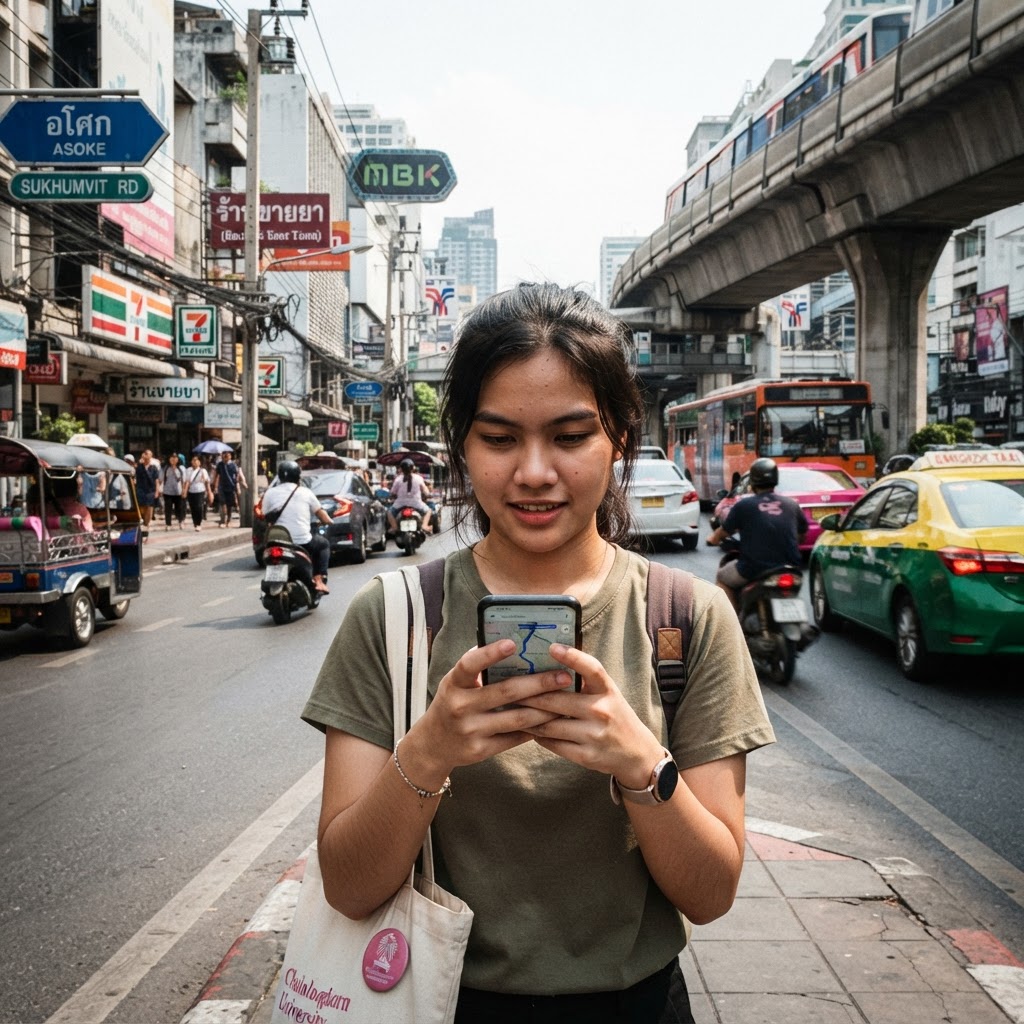
The Skills You Build When Nobody Can Solve the Problem for You
There is a particular kind of learning that happens when you are far from home, in an unfamiliar context, and the person who usually helps you is not available.
This is not about being abandoned. It is about the moment when you realise that the problem in front of you is yours to solve — and you solve it.
The Skills That Come From This Moment
Problem Solving
When you cannot ask someone else to fix it, you have to figure it out. You learn to break problems down, identify what you know and what you do not, and find a path forward.
Communication
When you cannot rely on shared context, you learn to communicate more clearly. You learn to ask better questions, to listen more carefully, and to express yourself more precisely.
Adaptability
When plans do not work, you adapt. When assumptions are wrong, you adjust. This is a skill that transfers to every professional and personal context.
Initiative
When no one is telling you what to do, you learn to take initiative. You identify what needs to happen and you do it — without waiting for instructions.
Independence
When you cannot depend on your usual support systems, you develop self-reliance. Not isolation — but the confidence that you can handle what comes.
Judgement
When you have to make decisions with incomplete information, you develop judgement. You learn to assess situations, weigh options and make calls — even when you are not certain.
Resilience
When things go wrong and you keep going, you build resilience. Not the absence of difficulty — but the ability to continue through it.
Why This Matters
These are not soft skills. They are the capabilities that employers, colleagues and communities value most. They are the skills that make someone reliable, capable and effective — in any context.
And they are the skills that are hardest to develop in a familiar environment, where support systems are always available and problems are always someone else's to solve.
The Supported Independence Principle
This is not about being thrown in the deep end alone. It is about having support available — but choosing to try first. It is about knowing that if you cannot solve it, help is there — but attempting the solution yourself builds the capability.
This is the principle of supported independence:
You probably can figure this out. Try. If you cannot, ask. But try first.
Key Takeaway
The skills that matter most are built in the moments when you have to figure things out yourself. An international experience, approached with the right mindset, creates those moments — and those moments create capability.