What Is the Value of Having Someone Local When You're Learning Abroad?
Why local knowledge matters when systems work differently, communication is unfamiliar and students need help understanding situations abroad.
Thailand Pathways Editorial Team
Thailand Pathways Editorial Team
September 13, 2026 · Updated September 13, 2026

What Is the Value of Having Someone Local When You're Learning Abroad?
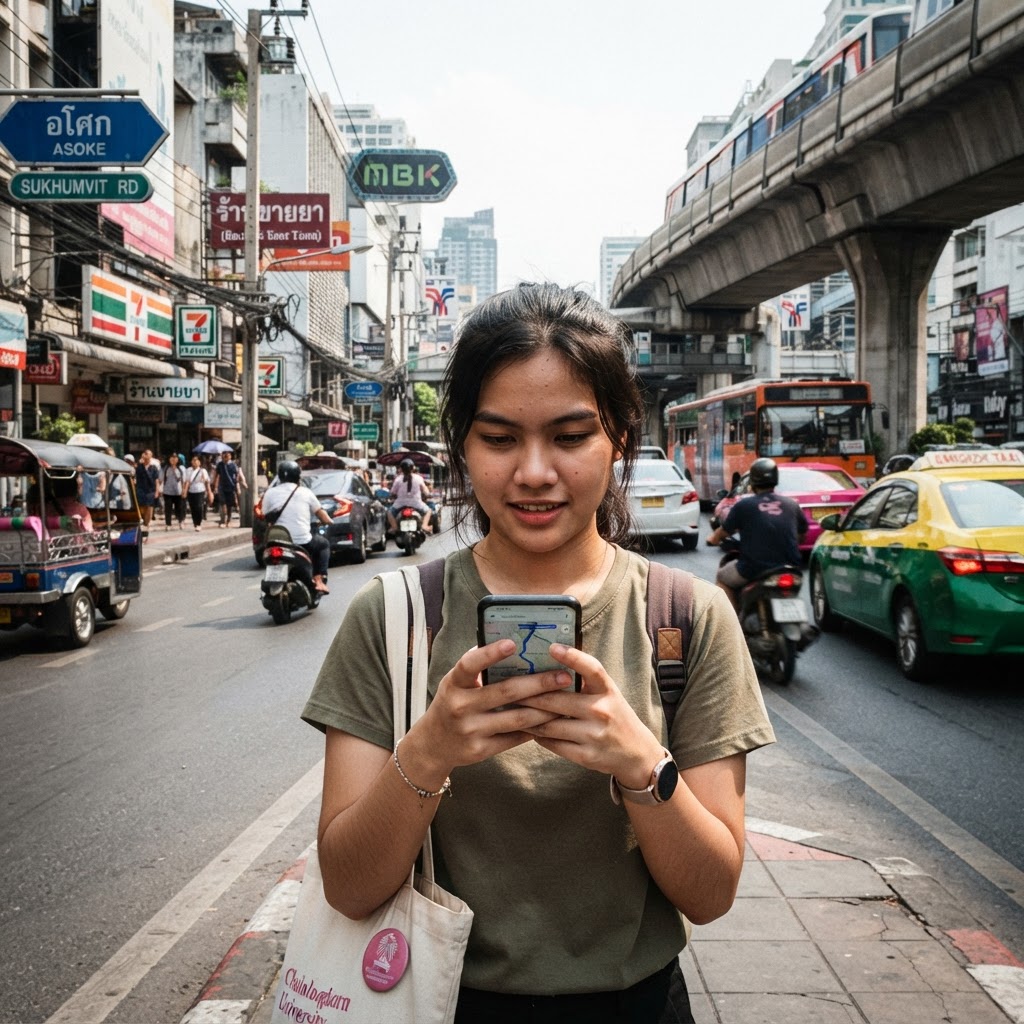
You can travel anywhere in the world with a smartphone. You have Google Maps, translation apps, online reviews and instant communication. Why would you need someone local?
This article explores the value of local knowledge — not as a sales pitch, but as an honest examination of what local expertise actually does.
When Systems Work Differently
Every country has systems — banking, healthcare, transport, telecommunications, education, government services. These systems have their own logic, their own procedures and their own unwritten rules.
A local person knows:
- How the system actually works (not just how it is supposed to work).
- What the shortcuts are — and which ones are legitimate.
- What information you actually need and what is noise.
- When something is normal and when something is unusual.
This knowledge is not in guidebooks. It is earned through experience.
When Communication Is Unfamiliar
Language is the obvious barrier. But communication challenges go beyond vocabulary:
- How to ask a question in a way that gets a useful answer.
- How to read what is not being said.
- How to navigate hierarchy and politeness.
- How to understand indirect communication.
A local person can help you decode these patterns — not because they have read about them, but because they live them.
When You Do Not Know Who to Ask
In your home country, you know who to call for what. Doctor, dentist, plumber, bank, police. You know which numbers matter and which do not.
In a new country, you do not have this knowledge. A local person does. They know:
- Which hospital to go to.
- Which pharmacy is reliable.
- Which government office handles what.
- Who to trust and who to be cautious of.
When Something Unexpected Happens
Most days abroad are routine. But when something unexpected happens — illness, lost documents, a misunderstanding that escalates — the value of someone who knows the context becomes immediately clear.
A local person can:
- Help you understand what is happening.
- Communicate on your behalf if needed.
- Know what to do and who to contact.
- Help you navigate systems you do not understand.
When Cultural Context Matters
Some situations make sense only with cultural context. A response that seems strange may be perfectly normal once you understand the cultural logic behind it.
A local person can explain:
- Why something is happening the way it is.
- Whether a response is normal or unusual.
- What the appropriate reaction is.
- What you are misunderstanding.
The Honest Assessment
You can absolutely navigate a new country without local help. People do it every day. But it takes longer, costs more and involves more stress — because you are learning everything from scratch, through trial and error, without the context that would make things easier.
Having someone local does not mean you cannot do it yourself. It means you can do it more efficiently, more confidently and with fewer avoidable mistakes.
Key Takeaway
Local knowledge has real, practical value. Not because you cannot figure things out alone — but because having context, relationships and experience on the ground changes the quality of the experience.