What Will You Be Able to Do After Thailand That You Couldn't Do Before?
A flagship reflective article focusing on capability rather than memories — navigate unfamiliar environments, communicate, solve problems, adapt.
Thailand Pathways Editorial Team
Thailand Pathways Editorial Team
September 13, 2026 · Updated September 13, 2026
What Will You Be Able to Do After Thailand That You Couldn't Do Before?
When you think about your upcoming experience abroad, you probably think about what you will see, where you will go and what you will experience.
This article asks a different question: What will you be able to do?
Not what memories will you have. Not what photos will you take. What capabilities will you have developed that you did not have before?
Navigate Unfamiliar Environments
Before: You feel anxious in new places. You rely on familiar routes and routines.
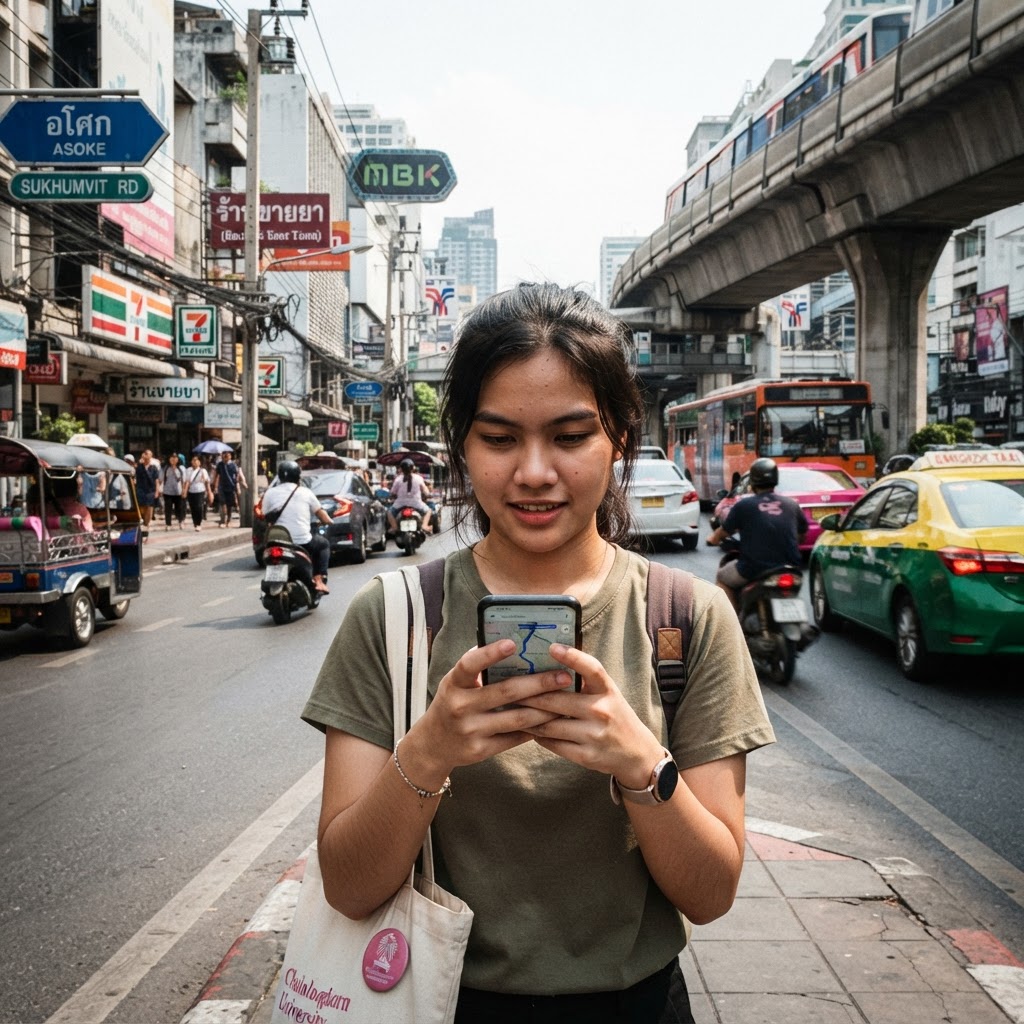
After: You can walk into an unfamiliar city, figure out the transport system, find your way around and function effectively. You know how to observe, adapt and navigate.
Communicate Across Cultures
Before: You assume your communication style is universal. You struggle when others communicate differently.
After: You can adjust your communication style based on context. You know how to listen for what is not being said. You can build relationships with people whose assumptions and norms differ from yours.
Solve Problems in Unfamiliar Contexts
Before: When something goes wrong, you look for someone who knows the answer.
After: You can break down unfamiliar problems, identify what you know, figure out what you need to find out, and take action. You know how to find solutions when the familiar systems are not available.
Work Professionally in a Different Context
Before: You understand professional norms in your home country.
After: You can work in a professional environment with different expectations, hierarchies and communication patterns. You know how to adapt your behaviour without losing your effectiveness.
Make Decisions with Incomplete Information
Before: You wait until you have all the information before acting.
After: You can assess a situation, make a reasonable judgement call and act — even when you do not know everything. You know that waiting for certainty often means missing the opportunity.
Ask for Help Appropriately
Before: You either try to do everything yourself, or you ask for help with everything.
After: You know the difference between a problem you should solve and one where you need help. You know how to ask effectively — giving enough context, being clear about what you need, and respecting the other person's time.
Adapt Without Losing Yourself
Before: You either resist change or lose yourself in it.
After: You can adapt to new contexts while maintaining your core values and identity. You know the difference between flexibility and compromise.
The Bigger Question
The real question is not "What will you do in Thailand?" It is "Who will you become?"
The experiences you have, the challenges you navigate, the relationships you build — these do not just create memories. They create capability. They shape the person you are becoming.
Key Takeaway
After Thailand, you will be able to do things you cannot do now. That is the real value of this experience — not the places you will see, but the capabilities you will build.