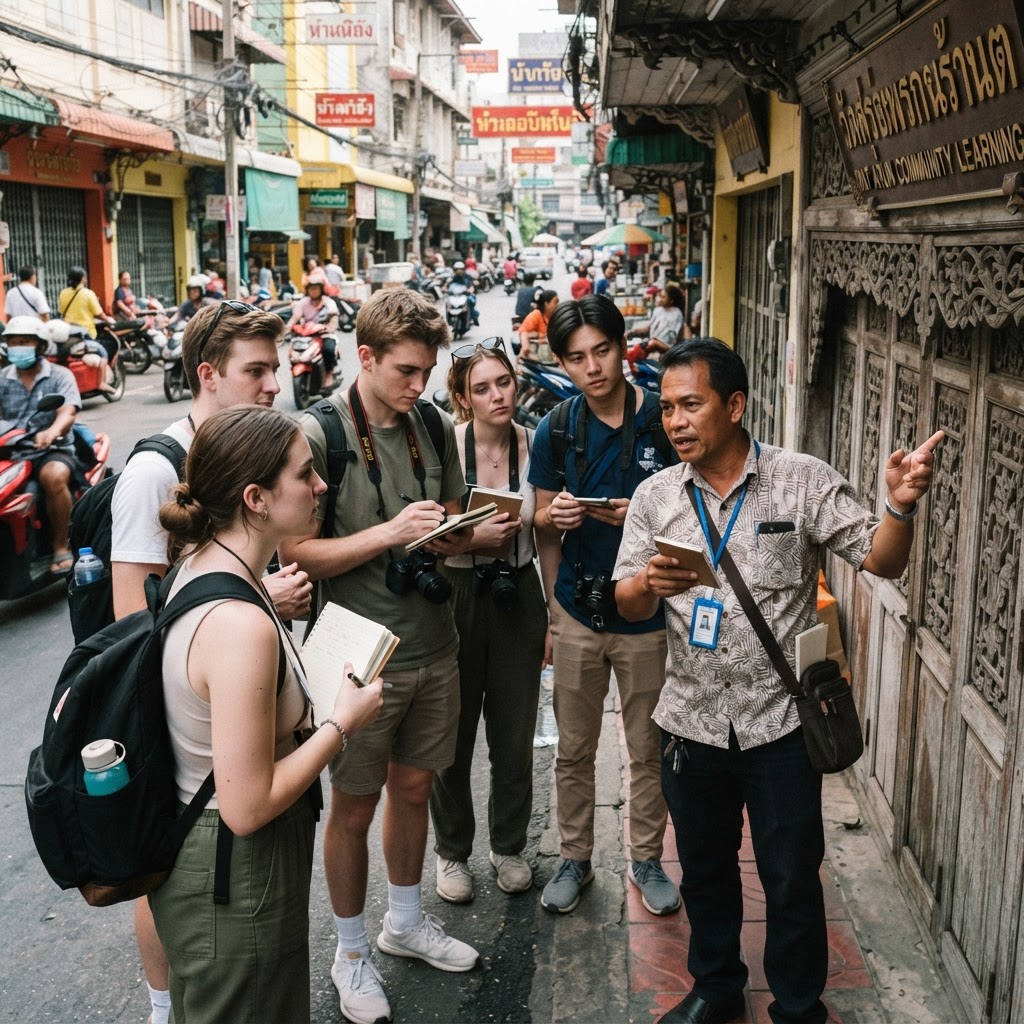
What Faculty Should Look for in an Experiential Learning Partner
An institutional guide — learning purpose, preparation, student engagement, context, reflection, roles, communication and risk awareness.
Thailand Pathways Editorial Team
Thailand Pathways Editorial Team
September 13, 2026 · Updated September 13, 2026
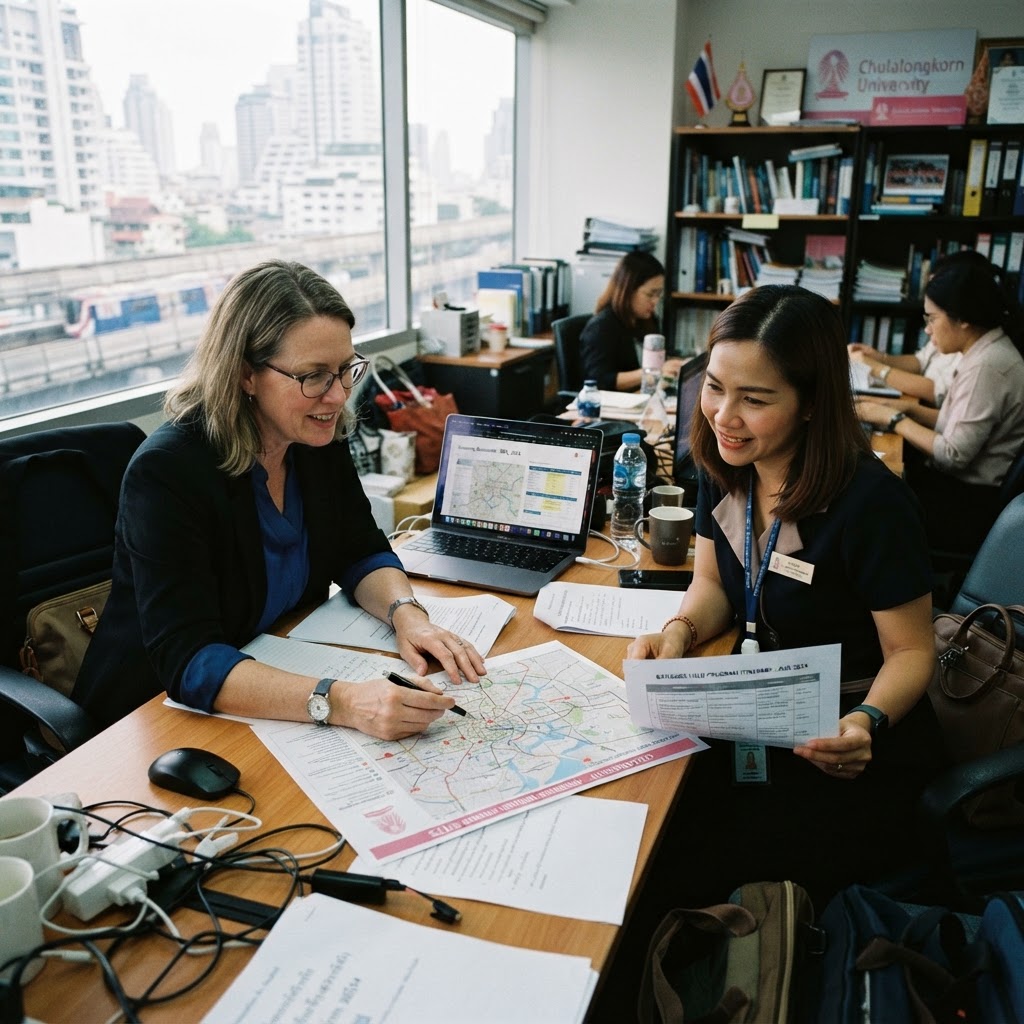
What Faculty Should Look for in an Experiential Learning Partner
Designing a faculty-led program abroad involves more than booking flights and accommodation. The right local partner can make the difference between a meaningful academic experience and an expensive field trip.
This article is for faculty and academic administrators evaluating experiential learning partners for international programs.
Learning Purpose
A good partner understands that your program has academic goals — not just logistical ones. They should:
- Ask about your learning outcomes, not just your itinerary.
- Help shape activities that serve those outcomes.
- Understand the difference between tourism and education.
- Be willing to say no to activities that do not serve the learning purpose.
Preparation
A good partner helps you prepare — both before departure and on arrival:
- Providing pre-departure briefing materials.
- Offering orientation on cultural and practical context.
- Helping with risk assessments and safety planning.
- Being available for faculty questions before the program begins.
Student Engagement
A good partner creates conditions for genuine student engagement:
- Activities that require participation, not just observation.
- Opportunities for interaction with local people, organisations and contexts.
- Reflection opportunities built into the schedule.
- Space for students to ask questions and process what they are experiencing.
Context and Local Knowledge
A good partner brings genuine local knowledge:
- Understanding of the cultural, historical and social context.
- Relationships with local organisations, institutions and communities.
- Ability to facilitate meaningful engagement, not just surface-level visits.
- Awareness of what is appropriate and what is not.
Reflection
A good partner understands that reflection is where learning happens:
- Built-in time for group discussion.
- Opportunities for individual reflection.
- Frameworks that help students connect experience to learning.
- Willingness to adjust the program based on what students are experiencing.
Clear Roles and Communication
A good partner is clear about who does what:
- Who is responsible for logistics, academics, safety and student support.
- How communication works during the program.
- What happens in an emergency.
- How faculty and partner staff work together.
Risk Awareness
A good partner takes risk seriously without being alarmist:
- Understanding of local risks — health, safety, political, environmental.
- Clear emergency procedures.
- Communication plans for incidents.
- Insurance and liability clarity.
- Honest assessment of what can and cannot be guaranteed.
Academic Alignment
A good partner understands academic requirements:
- Credit hours and contact time.
- Assessment and evaluation.
- Academic standards and expectations.
- Institutional requirements from your university.
Key Takeaway
The right experiential learning partner is not a travel agent. They are an educational collaborator who understands that the purpose of the program is learning — and who has the local knowledge, relationships and professional approach to make that learning possible.