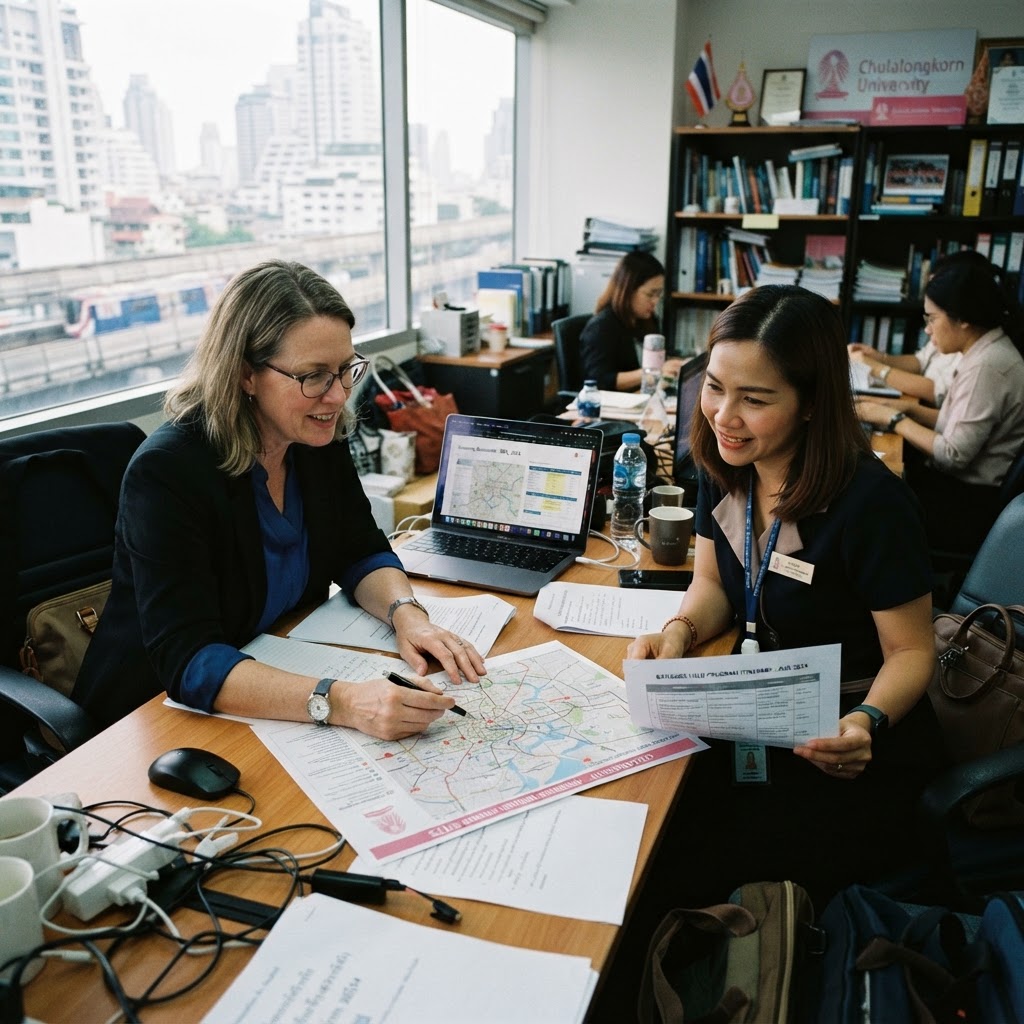
Why Short-Term Programs Can Still Create Meaningful Learning
Why faculty-led programs, short study experiences, field learning, short internships and micro-internship experiences can be educationally meaningful.
Thailand Pathways Editorial Team
Thailand Pathways Editorial Team
September 13, 2026 · Updated September 13, 2026
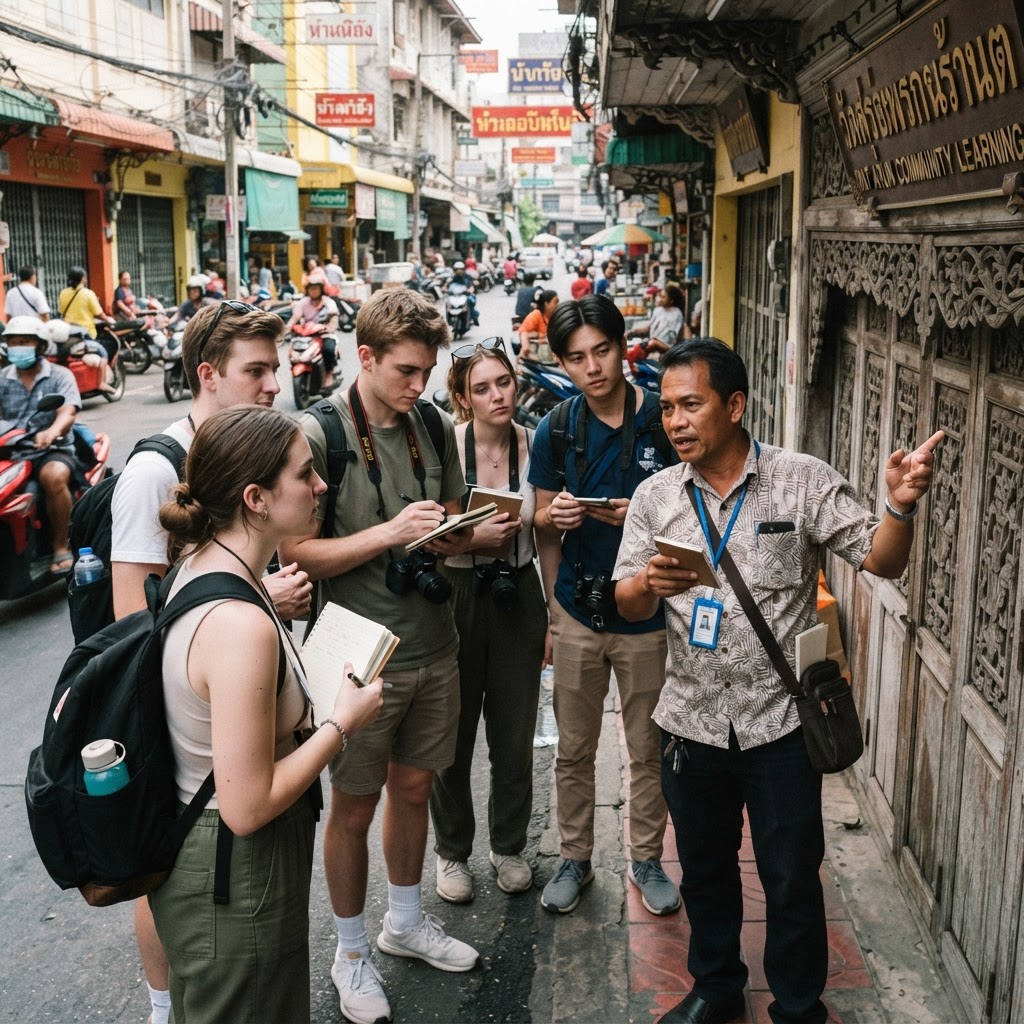
Why Short-Term Programs Can Still Create Meaningful Learning
There is a common assumption that short-term programs — a few weeks or even days — cannot deliver meaningful learning. The thinking is that you need months abroad to gain real value.
This is not necessarily true. Short-term programs can create powerful learning — if they are designed well and approached with intention.
What Makes Short-Term Programs Meaningful
Intentional Design
A well-designed short program focuses on specific learning outcomes. It does not try to do everything. It picks a few key objectives and structures the experience around them.
Immersive Engagement
Short programs can be highly immersive. Without the distraction of a full semester's coursework, students can focus intensely on the experience in front of them.
Structured Reflection
Short programs that build in reflection time — group discussions, journaling, presentations — help students process what they are experiencing while it is happening.
Expert Facilitation
A good facilitator — faculty member, program leader or local partner — can draw out learning that students might miss on their own. The right questions at the right time create insight.
Real-World Context
Short programs can place students in real-world contexts — workplaces, communities, field sites — where learning happens through engagement, not just instruction.
Types of Short-Term Learning Experiences
Faculty-Led Programs
Short-term programs led by faculty, often during breaks, that combine academic content with field experience. These can be powerful because the faculty member designs the learning explicitly.
Short Study Experiences
Brief but intensive study periods abroad — summer schools, winter programs, intensive courses. These focus on a specific subject in a specific context.
Field Learning
Programs that use the destination as a learning site — for research, observation, data collection or community engagement.
Short Internships
Internship placements of a few weeks that give students a taste of professional work in an international context.
Micro-Internship Experiences
Project-based professional experiences where students complete a defined deliverable in a short timeframe. These focus on producing something tangible.
What Short-Term Programs Cannot Do
It is important to be honest about limitations:
- They cannot replace the depth of a semester or year abroad.
- They may not allow full cultural immersion.
- They require more intentional design to be educationally meaningful.
- They can feel rushed if poorly planned.
But these limitations do not mean they lack value. They mean the design matters more.
The Key Principle
The value of a short-term program is not determined by its length. It is determined by its design, its intentionality and the quality of engagement it creates.
A well-designed two-week program can deliver more meaningful learning than a poorly designed semester.
Key Takeaway
Short-term programs are not a lesser option. They are a different format — one that requires intentional design, focused objectives and quality facilitation to create genuine learning.