Why Thailand Can Be a Classroom
How Thailand can become an academic context for business, sustainability, hospitality, public health, development and more — not a program catalogue.
Thailand Pathways Editorial Team
Thailand Pathways Editorial Team
September 13, 2026 · Updated September 13, 2026
Why Thailand Can Be a Classroom
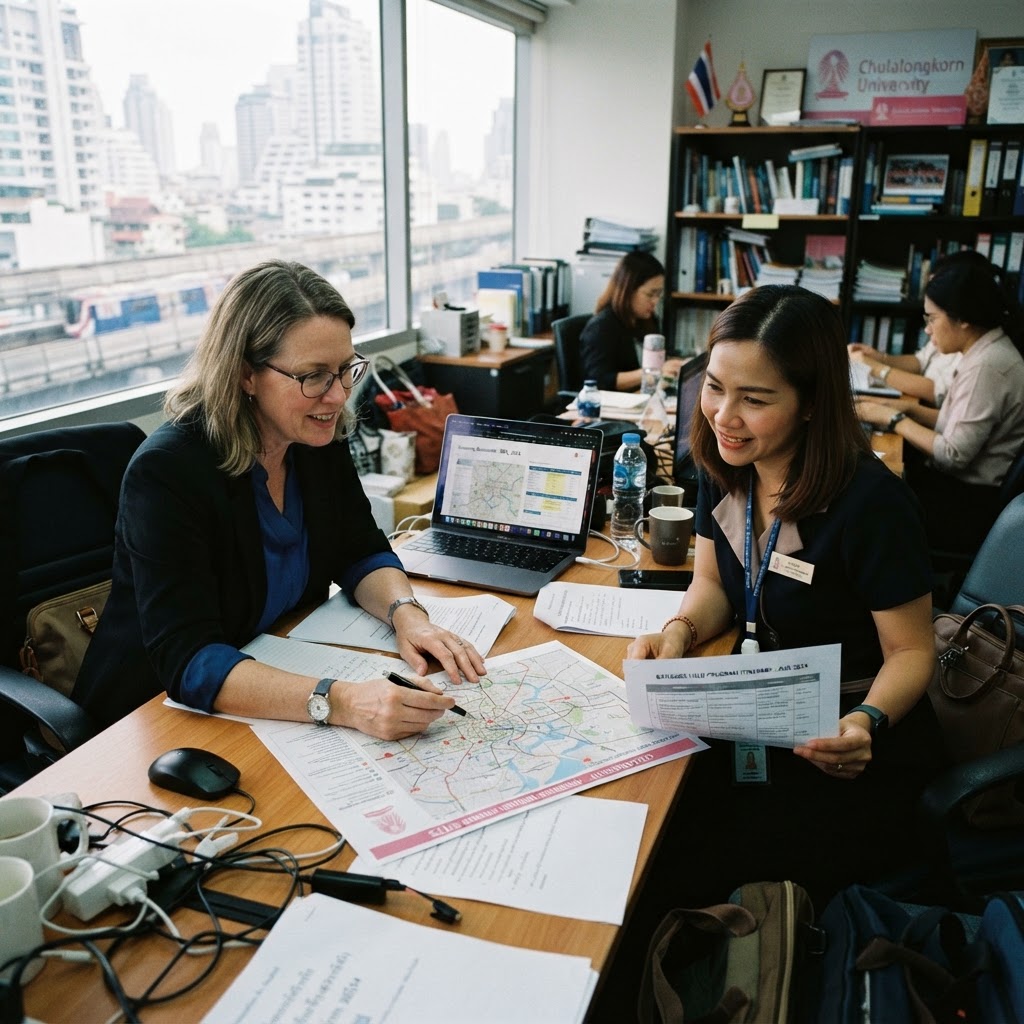
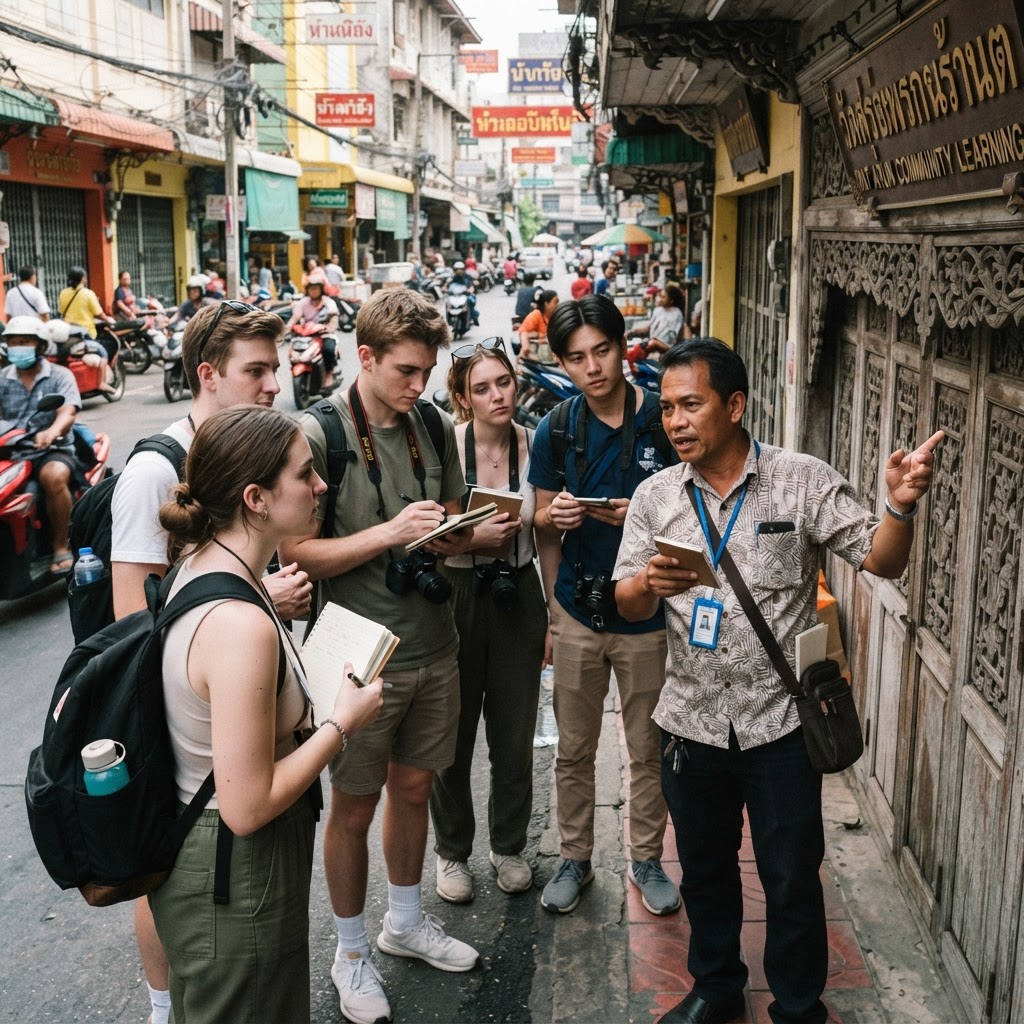
Thailand is not just a destination. For educators and students who approach it thoughtfully, it is a living academic context — a place where theory meets reality across multiple disciplines.
This article is not a program catalogue. It is an exploration of how Thailand can function as a classroom for fields where context, observation and engagement matter.
Business and Entrepreneurship
Thailand's economy blends multinational corporations, family-owned enterprises, street-level commerce and a growing startup ecosystem. Students of business can observe:
- How markets function in a different regulatory and cultural context.
- How small businesses operate in informal economies.
- How international companies adapt to local conditions.
- How supply chains work across borders in Southeast Asia.
Sustainability and Environmental Studies
Thailand faces real environmental challenges — urban pollution, deforestation, waste management, water quality — alongside genuine innovation in sustainability. Students can explore:
- Community-based conservation initiatives.
- Urban sustainability challenges in a megacity.
- The tension between tourism and environmental protection.
- Agricultural practices and food systems.
Hospitality and Tourism
Thailand is one of the world's leading tourism destinations. Students of hospitality, tourism and events can engage with:
- World-class hotel and resort operations.
- Sustainable and community-based tourism models.
- The cultural dynamics of service industries.
- The economics and impacts of mass tourism.
Public Health
Thailand has a mixed healthcare system — a universal public system alongside private healthcare. Students of public health, medicine and health sciences can explore:
- How a middle-income country delivers universal healthcare.
- Urban-rural health disparities.
- Traditional and modern medicine in practice.
- Public health challenges in a tropical climate.
International Relations and Development
Thailand is a stable, democratic-leaning monarchy in a region with complex geopolitics. Students of international relations, political science and development studies can examine:
- Thailand's role in ASEAN.
- Development challenges and approaches in a middle-income country.
- The impact of tourism, migration and trade on local communities.
- The relationship between urban and rural development.
Communications and Media
Students of communications, media and journalism can explore:
- How media operates in a different political and cultural context.
- How social media shapes public discourse.
- How brands communicate across cultures.
- How storytelling reflects and shapes cultural identity.
The Key Principle
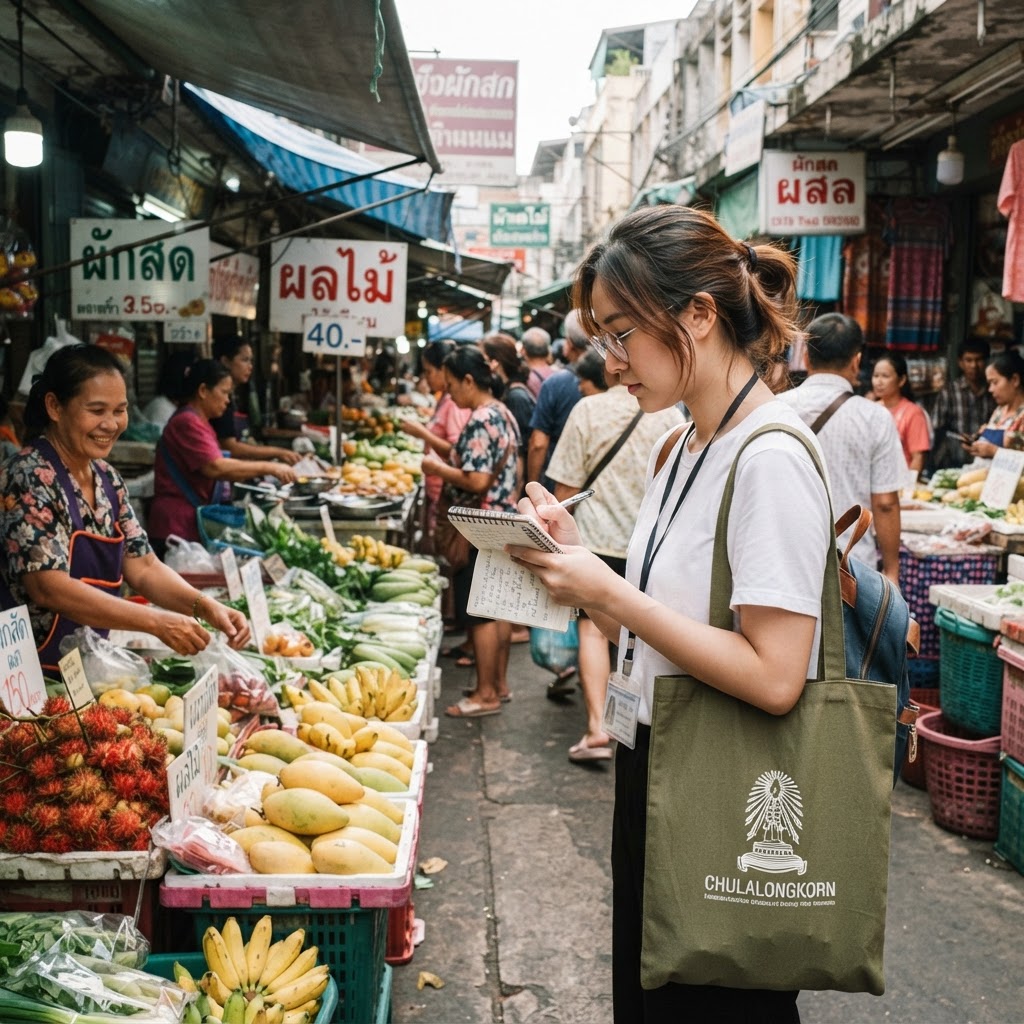
Thailand is a classroom only if you approach it as one. Being somewhere different is not automatically educational. Learning requires intentional engagement — observation, questioning, reflection and application.
A student who walks through a market and thinks "that's interesting" has had an experience. A student who walks through a market and thinks "what does this tell me about informal economies, supply chains and social structure?" has had a learning experience.
Key Takeaway
Thailand can be a powerful academic context — but only when approached with intention. The destination provides the material. The learning comes from engagement.